Why Bhutan Should Be Your Next Destination
Nestled in the eastern Himalayas between India and China, the Kingdom of Bhutan remains one of the most exclusive and enchanting travel destinations on Earth. Known locally as Druk Yul, meaning "Land of the Thunder Dragon," this small Buddhist kingdom has deliberately preserved its ancient traditions while cautiously embracing modernity. Unlike any other country, Bhutan measures its success not through Gross Domestic Product but through Gross National Happiness — a philosophy that permeates every aspect of life here.
For travellers seeking something far beyond the ordinary, Bhutan offers an experience that is transformative rather than merely recreational. The air is clean, the forests cover more than seventy percent of the land, and the culture remains vibrantly alive in every prayer flag, monastery, and smiling face you encounter. This guide will walk you through everything you need to know to plan an unforgettable journey to this extraordinary kingdom.
Understanding the Sustainable Development Fee
Bhutan has always followed a "High Value, Low Volume" tourism policy to protect its environment and culture. As part of this approach, all international visitors (except Indian nationals) are required to pay a Sustainable Development Fee. As of 2023, the SDF has been set at USD 100 per person per night, reduced from the previous USD 200. This fee funds free healthcare, education, and infrastructure for Bhutanese citizens while ensuring tourism remains sustainable.
The SDF is not merely a tourist tax — it is an investment in preserving the very qualities that make Bhutan worth visiting. Your contribution directly supports the conservation of ancient monasteries, the protection of vast wilderness areas, and the maintenance of traditional arts and crafts. When you understand this, the fee transforms from a cost into a meaningful part of your journey.
Visa and Entry Requirements
All visitors to Bhutan (except citizens of India, Bangladesh, and the Maldives) require a visa. The process is straightforward but must be completed in advance. You cannot obtain a visa on arrival. Here is how it works:
- Apply through a licensed tour operator: All international tourists must arrange their trip through a licensed Bhutanese tour operator or their international partners. Independent travel is not permitted for tourists, which ensures quality and safety.
- Submit required documents: You will need a valid passport with at least six months of validity, a recent passport-sized photograph, and your travel itinerary.
- Processing time: Visas are typically processed within 5 to 7 working days. Once approved, you will receive a visa clearance letter which you must present at check-in for your flight to Paro.
- Visa fee: The visa itself costs USD 40 and is a one-time, non-refundable fee.
Indian nationals do not need a visa but must carry a valid Indian passport or voter ID card. A permit is issued upon arrival at Paro airport.
Getting to Bhutan
The journey to Bhutan is an experience in itself. Paro International Airport, Bhutan's only international airport, is served by two national carriers: Drukair (Royal Bhutan Airlines) and Bhutan Airlines. Flights operate from several cities including Bangkok, Delhi, Kolkata, Kathmandu, Singapore, and Dhaka.
The descent into Paro is considered one of the most spectacular flight approaches in the world. Only a handful of pilots are certified to land here, navigating through narrow Himalayan valleys with towering peaks on either side. As your aircraft weaves between mountains, you will catch your first glimpses of emerald valleys, terraced farmland, and the shimmering Paro River — a breathtaking introduction to the kingdom.
For those arriving by road, the border town of Phuentsholing in southern Bhutan connects to the Indian state of West Bengal. The drive from Phuentsholing to Thimphu takes approximately six hours and offers stunning scenery along winding mountain roads.
Best Time to Visit Bhutan
Bhutan experiences four distinct seasons, each offering unique advantages for visitors:
Spring (March to May)
Spring is widely considered the best time to visit Bhutan. The valleys come alive with blooming rhododendrons, magnolias, and wild orchids. The weather is pleasantly warm during the day with cool evenings. This is also when the famous Paro Tshechu festival takes place, drawing visitors from around the world to witness masked dances and sacred ceremonies at Paro Dzong.
Autumn (September to November)
Autumn rivals spring as the most popular season for tourism. The monsoon rains have cleared, leaving behind crystal-clear skies and stunning views of the Himalayan peaks, including Mount Jomolhari. Temperatures are comfortable, making it ideal for trekking and outdoor activities. The Thimphu Tshechu in early autumn is another major cultural highlight.
Summer (June to August)
The summer months bring the monsoon season, with heavy rainfall particularly in the southern regions. While this is the low season for tourism, it has its own charm. The countryside becomes lush and green, hotel rates are lower, and you will have popular sites almost entirely to yourself. If you do not mind occasional rain, summer can be a peaceful time to explore.
Winter (December to February)
Winter in Bhutan is cold, particularly in the higher altitude regions, but the skies are generally clear and the views of snow-capped peaks are magnificent. The Punakha region, at a lower elevation, remains relatively warm and pleasant. Winter is also when the rare black-necked cranes migrate to the Phobjikha Valley, a spectacular sight for birdwatchers and nature lovers.
What to Pack for Bhutan
Packing for Bhutan requires thoughtful preparation due to the varied terrain and altitude. Here are essential items to include:
- Layered clothing: Temperatures can vary dramatically between day and night, especially at higher elevations. Bring layers that you can add or remove as needed.
- Comfortable walking shoes: You will do a lot of walking, often on uneven terrain and stone steps at monasteries and dzongs.
- Rain jacket: Essential regardless of season, as mountain weather can change rapidly.
- Sun protection: The high altitude means stronger UV rays. Pack sunscreen, sunglasses, and a hat.
- Modest clothing: When visiting religious sites, dress modestly. Long pants and shirts with sleeves are appropriate.
- Power adapter: Bhutan uses Type D, F, and G power outlets. Bring a universal adapter.
- Medications: Bring any personal medications, as pharmacies outside major towns may have limited supplies.
Cultural Etiquette You Should Know
Bhutanese culture is deeply rooted in Buddhist traditions, and understanding basic etiquette will greatly enhance your experience and show respect to your hosts:
- Dress modestly at religious sites: Remove your hat and shoes before entering temples and monasteries. Long pants and covered shoulders are expected.
- Circumambulate clockwise: When walking around stupas, chortens, or prayer wheels, always move in a clockwise direction.
- Do not touch religious artifacts: Refrain from touching murals, statues, or sacred objects unless invited to do so.
- Accept offerings graciously: If offered tea or snacks in a local home, accept with both hands as a sign of respect.
- Photography: Always ask permission before photographing people, especially monks. Photography is prohibited inside some temples.
- The national flag: Show respect for the national flag and images of the royal family, which are treated with great reverence.
Must-Have Experiences in Bhutan
While every moment in Bhutan feels special, certain experiences stand out as truly unmissable:
Tiger's Nest Monastery (Paro Taktsang)
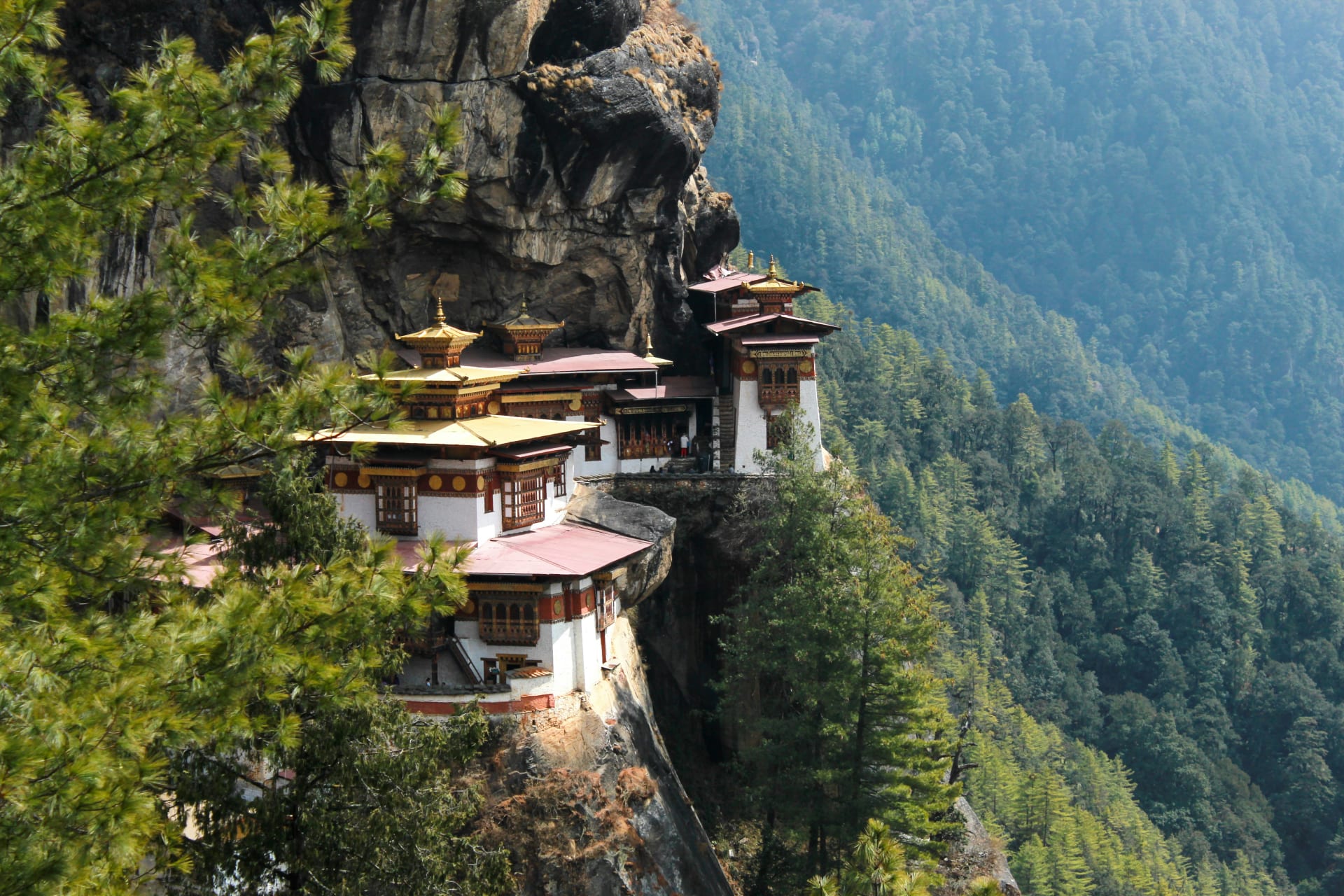
No visit to Bhutan is complete without the hike to Taktsang Palphug Monastery, perched dramatically on a cliff face 900 metres above the Paro Valley. The two-hour trek through beautiful pine forests and prayer-flag-draped trails culminates at one of the most sacred and visually stunning Buddhist sites in the world. According to legend, Guru Rinpoche flew to this spot on the back of a tigress in the 8th century, giving the monastery its iconic name.
Punakha Dzong
Often called the most beautiful dzong in Bhutan, Punakha Dzong sits at the confluence of two rivers, the Pho Chhu (father) and Mo Chhu (mother). Its intricate woodwork, stunning murals, and serene courtyard make it a masterpiece of Bhutanese architecture. The dzong serves as the winter residence of the central monastic body.
Buddha Dordenma (Thimphu)
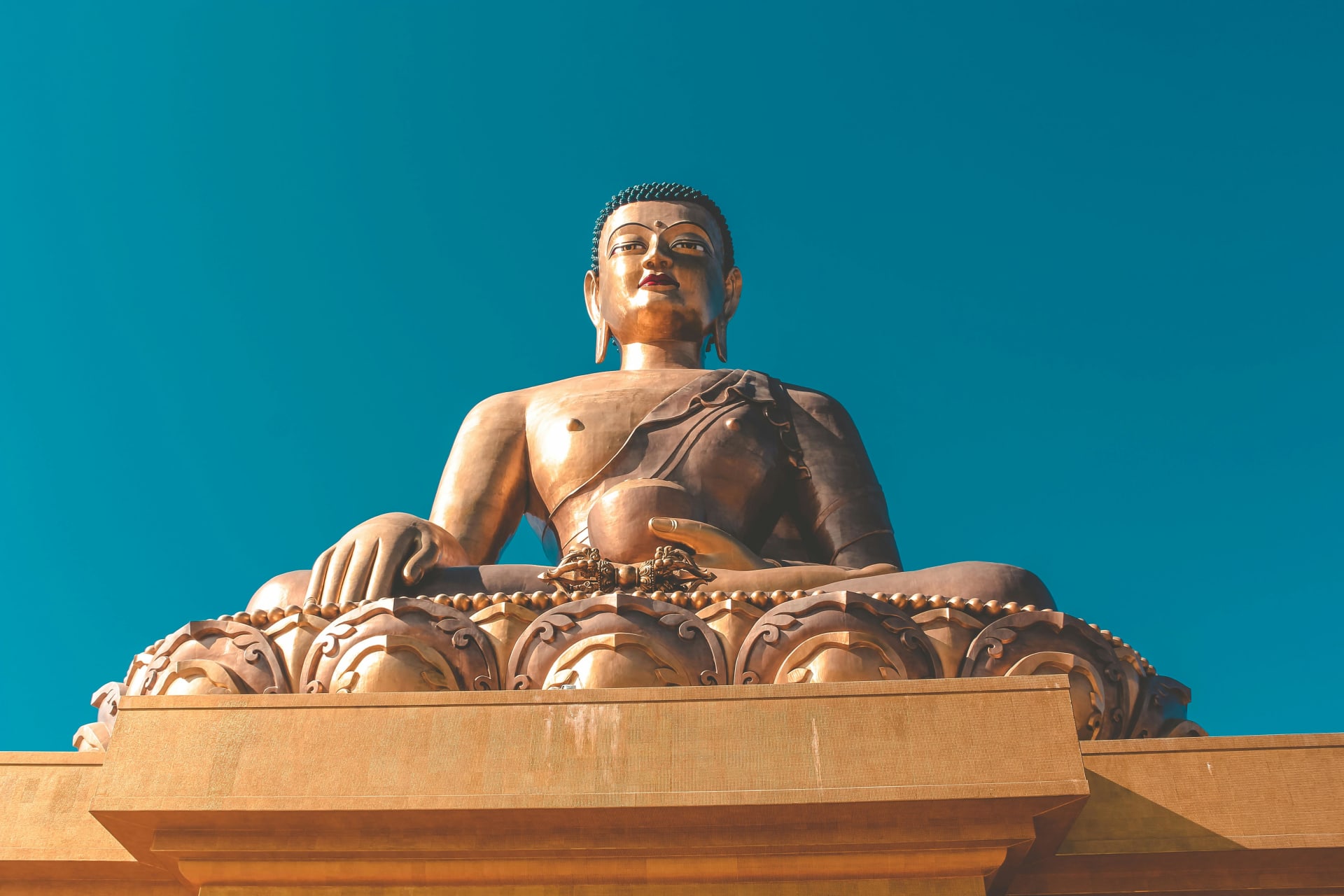
This massive 51-metre-tall bronze statue of Buddha sits atop Kuenselphodrang Hill overlooking the Thimphu Valley. Inside, a chapel houses thousands of smaller Buddha statues. The view from the site is panoramic and awe-inspiring, particularly at sunset.
Archery Matches
Archery is the national sport of Bhutan, and attending a match is a lively cultural experience. Archers use traditional bamboo bows and compete at targets placed 140 metres apart — nearly triple the Olympic distance. The atmosphere is festive, with teams singing and dancing to celebrate hits and distract opponents.
Food and Cuisine
Bhutanese cuisine is unique and flavourful, centred around rice, chillies, and cheese. The national dish, ema datshi, consists of chillies cooked in a rich cheese sauce and is served at nearly every meal. Other must-try dishes include momos (steamed dumplings), phaksha paa (pork cooked with chillies), and suja (butter tea), which is an acquired taste but deeply warming at high altitudes. Most hotels also serve Indian, Chinese, and continental options for those who prefer milder flavours.
Final Thoughts
Travelling to Bhutan is not just a holiday — it is a journey into a different way of thinking about life, happiness, and our relationship with nature. The kingdom's commitment to preserving its environment, culture, and spiritual heritage in the face of globalisation is both inspiring and humbling. Whether you are trekking through pristine mountain trails, witnessing ancient festivals, or simply sharing a cup of butter tea with a local family, Bhutan will leave an indelible mark on your soul. Plan your journey with respect, travel with an open heart, and the Thunder Dragon will reveal its most precious treasures.